TK Punk Gold Companion Tier List
Progression priority bands for GOLD partners—not invented damage coefficients.
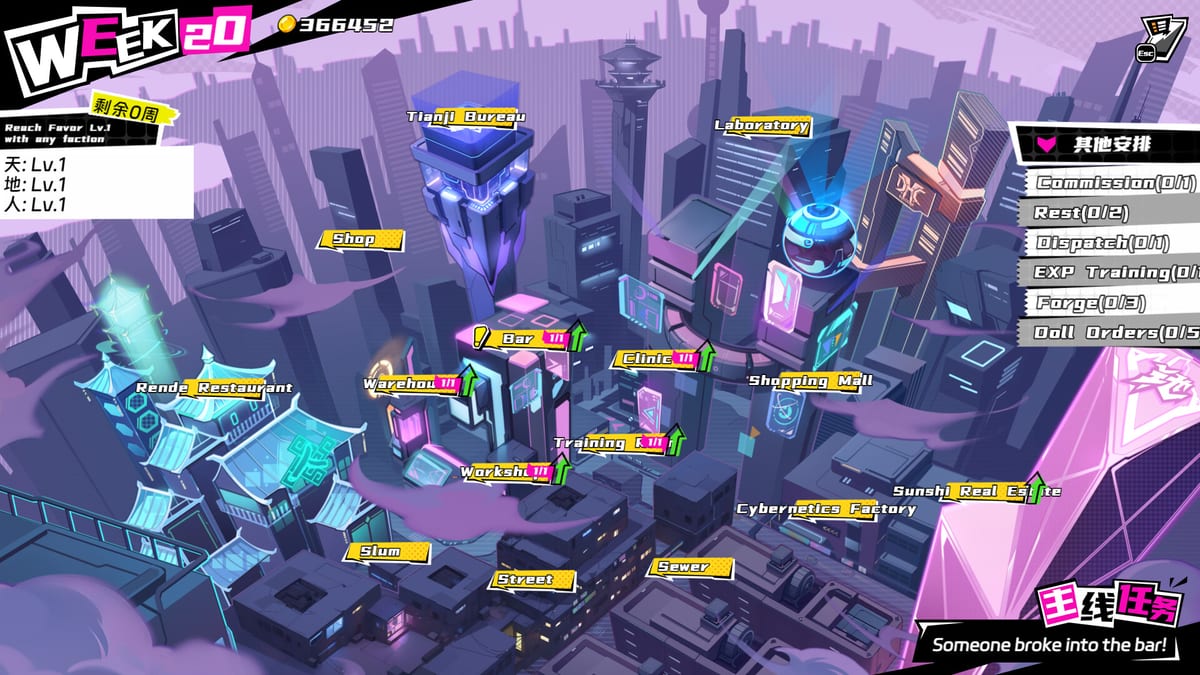
This Companion Tier List for TK Punk Gold ranks investment priority, not eternal character worth. The game gives you thirteen companions, a fifty-week clock, limited mobility, prosthetic research, commissions, Gold Bar work, and major endings tied to Heaven, Earth, and Man goodwill. In that environment, “S tier” only means “this partner’s opportunity cost is easy to justify right now.” It does not mean every other companion is trash, and it does not invent exact hidden stats the Steam page never published.
Read this page after skimming the Builds Hub and the Roster. If a partner is not unlocked yet, fix that with How to Recruit before arguing ranks.
Ranking criteria used here
We score companions qualitatively across five questions:
- Commission reliability — Do they reduce wipe risk on story jobs?
- Research payoff — Do prosthetics or equipment make them scale cleanly?
- Synergy openness — Can they plug into multiple party shapes?
- Schedule tax — How expensive are their bond or upkeep needs?
- Route flexibility — Do they stay useful across different Heaven, Earth, or Man leanings?
High ranks win when several answers are yes. Situational ranks win hard in a niche. Luxury ranks are enjoyable but costly during economy or ending emergencies.
Priority bands
High priority (build around these early)
These are partners who make the campaign readable: they stabilize commissions while you still learn Cyber Frenzy pacing, and they reward the first serious research investments. Put your earliest prosthetic focus here. Keep them on the Week Planner as default deploy options. Bond them only if they are also on your romance shortlist—combat priority is not an automatic companion-ending mandate. Cross-check kits in Prosthetics Builds.
Flexible mid priority
These partners blossom once you understand status windows, positioning, or equipment pairings. They are often the difference between a good commission clear and a stylish clear. They become high priority when your Synergy Guide shell needs their coverage. Do not starve them forever, but do not promote them above bar solvency either—see Bar Management.
Situational specialists
Specialists solve specific failure modes: stubborn bosses, awkward commission modifiers, or a faction-flavored story stretch. They can look low value in a generalist party and indispensable in the right week. Rank them up when your log shows repeated deaths to the same pattern. Otherwise keep maintenance kits only.
Luxury / late bloomers
Late bloomers and luxury picks are real. They may arrive later, demand heavier research, or shine mainly after you already have a stable core. They are excellent for second runs, companion ending focus, or gallery completion. On a blind first clear, recruiting them is fine; fully funding them before Heaven, Earth, or Man progress is settled is usually not. Validate endings with the Endings Guide.
How bonds distort tier talk
Players often promote a favorite because scenes are good. That is allowed—TK Punk Gold is also a galgame-style raising story—but it is not the same as combat tier. If your primary Bonds target is a luxury combat piece, compensate by keeping a high-priority commission core funded. Use the Bond Tracker so affection AP stays visible beside research AP.
Conversely, do not refuse a companion ending only because a list called them situational. Companion endings and major endings are parallel structures. Tier lists should advise investment order, not delete fantasy.
Sample progression plans without fake numbers
Economy-first plan: prioritize high-reliability partners, fund bar and research, delay luxury bonding, revisit specialists after cash is stable.
Romance-first plan: lock one companion ending early via Bonds, still keep one high-priority combat duo upgraded, accept slower gallery completion.
Ending-first plan: pick a Heaven, Earth, or Man lane from Faction Routes, choose partners who do not fight that schedule, and treat tier upgrades as tools for surviving the commissions that unlock goodwill events.
Cyber Frenzy learners: bias toward partners and kits that forgive near-death mistakes while you study the Combat Guide. Rank swagger later.
Anti-patterns that make every list useless
- Rerolling ranks every time a social post appears.
- Upgrading all thirteen companions one notch each.
- Ignoring recruitment gates, then calling a locked partner “low tier.”
- Building a screenshot team that cannot clear the next story commission.
- Letting kits consume the weeks needed for major ending goodwill.
When those appear, return to Time Management and the Companions Hub. A tier list is a lens, not a boss.
How to update this list after patches
After a Steam patch, re-test three things only: commission clear comfort, research cost feel, and whether synergy pairs still behave. If those change, shift bands. If only presentation changes, leave ranks alone. This keeps the list honest to systems rather than to rumor velocity.
For assembly details, continue to Prosthetics Builds and Synergy Guide. For day-one context, keep Getting Started and How to Play TK Punk Gold bookmarked.
Frequently Asked Questions
Quick answers for Hanport City survivors.
Why are there no exact damage numbers on this tier list?
Public materials emphasize systems and cast size. We rank opportunity cost and role value instead of inventing coefficients.
Should my romance target always be top tier?
No. Keep a reliable commission core funded even if your companion ending target is a luxury combat pick.
When do situational specialists become high priority?
When your commission log shows repeated failures that their coverage uniquely solves.
How often should I rebuild ranks?
After meaningful combat or research patches, or when your ending lane changes—not after every social argument.
What pages support this list?
Builds Hub, Prosthetics Builds, Synergy Guide, Roster, and Combat Guide provide the practical follow-through.